How to Choose the Right Thickness for UHMWPE Sheets in Heavy Load Applications
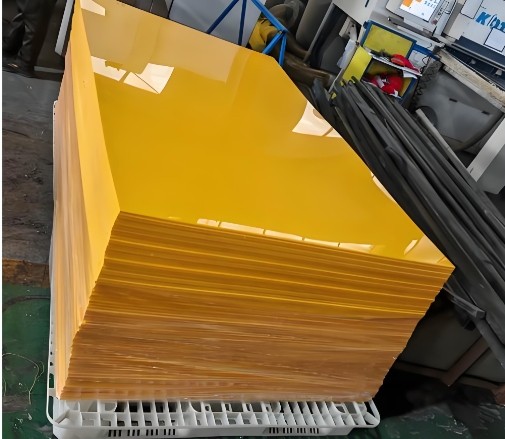
Selecting the correct thickness for UHMWPE sheets is critical in heavy load engineering applications. Thickness directly influences structural rigidity, load distribution performance and long-term durability.
In ground support and outrigger pad applications, insufficient thickness may lead to bending deformation under concentrated loads. However, excessive thickness increases material cost and overall weight without necessarily improving performance if the surface area is inadequate.
The correct selection process begins with evaluating maximum load per support point and ground bearing capacity. The contact area must be large enough to reduce pressure to a safe level. Once area is determined, thickness should be calculated to prevent excessive flex under load.
In crane support systems and heavy machinery platforms, thicker UHMWPE sheets provide higher bending resistance and structural stability. For temporary road systems, thickness must balance flexibility and durability to withstand repeated equipment movement.
Engineering-based selection ensures cost efficiency while maintaining safety margins. Working with a manufacturer that understands load calculations and material performance is essential for optimal results.
Design, manufacturing and sales of fitness equipment